Red Light Therapy Before & After: Real Results and What to Expect

You've been scrolling through red light therapy before-and-afters trying to decide if it's worth it, and you keep coming back to the same question: is this actually real?
Genuine results build over time, so a single photo may undersell what's really happening underneath. That isn't by any means a flaw in the technology, it's just how skin regeneration works — gradually!
Here's what a fair before and after actually looks like, and when you'd expect to see a change yourself.
Key Takeaways
-
Red light therapy works gradually, supporting your skin's own collagen and elastin, so change builds over weeks.
-
A genuine before and after tracks with how red light therapy actually works — gradual, area-specific, and consistent over weeks, not judged by a single dramatic photo.
-
Expect calmer skin within 2 to 4 weeks, with texture and tone changes building by 6 to 8 weeks and continuing through 12-plus weeks.
-
Consistency beats intensity — skipping sessions slows progress more than a gentler setting does.
What Red Light Therapy Actually Does to Your Skin
Think of red light as less of an overnight fix and more as a slow, steady investment in your skin's structure.
Red and near-infrared wavelengths reach your skin's deeper layers, where they're thought to support your body's own collagen and elastin production — that's the connective tissue behind smoother, firmer-looking skin, and it's the same tissue that naturally declines as you get older.
A controlled clinical trial published in Photomedicine and Laser Surgery found that participants using red and near-infrared light treatment over several weeks saw a measurable boost in collagen beneath the skin's surface, along with smoother texture and patient-rated satisfaction.
The American Academy of Dermatology notes that while research on red light and skin is still developing, existing studies show subtle to noticeable improvements in areas like fine lines, texture, and redness for many users.
It doesn't happen in one sitting — this is a cumulative process, and that's exactly why one photo only shows part of the picture rather than the full effect of the end result.
What Red Light Therapy Before & After Photos Really Show
A photo is a snapshot. Your skin, on the other hand, is doing something over time. Before you take any before and after at face value, it helps to know what separates a fair comparison from a misleading one.
What to Look for in a Genuine Before & After
A genuine before and after isn't about how dramatic the reveal looks — it's about whether the change lines up with how red light therapy actually works.
A few signs point to real progress. Authentic change builds slowly, over weeks, and it usually starts small (often around the cheeks or forehead) before spreading further. Texture tends to shift first: skin feels smoother before tone looks more even or fine lines soften. And it tracks with time, lining up with weeks of consistent use rather than a single session.
What Before & After Photos Can't Show
A photo has real limits, even a genuine one:
-
Texture and plumpness, which don't always translate to a still image — especially a compressed one on a phone screen.
-
Fluctuating redness caused by temperature or time of day rather than treatment.
-
The difference between skin that looks good because of makeup or filters and skin that looks good because something underneath it changed.
-
How long someone had actually been using red light therapy before their 'after' photo was taken — a single image can't tell you whether it's week 3 or week 16.
-
What else was part of their routine — other skincare, treatments, or procedures running alongside it.
-
Their age and starting skin condition, if noted — results at 25 and 55 aren't measuring the same thing.
Why Individual Results Vary
A few things shape how visible your own results end up being:
-
Your starting point and skin type
-
How consistently you use your device
-
Your general skincare routine
If you're treating mild dullness, your before and after will likely look different than if you're targeting deeper, more established fine lines. That's not a sign the treatment isn't working — it's just a reminder that "results" was never going to mean the same timeline for everyone. There's no universal timeline here, just yours.
GlowUp™ LED Light Therapy Face Mask Before & After Results
Photos alone can't prove a device works. What matters more is whether it's built to deliver the wavelengths research points to, consistently, at home.
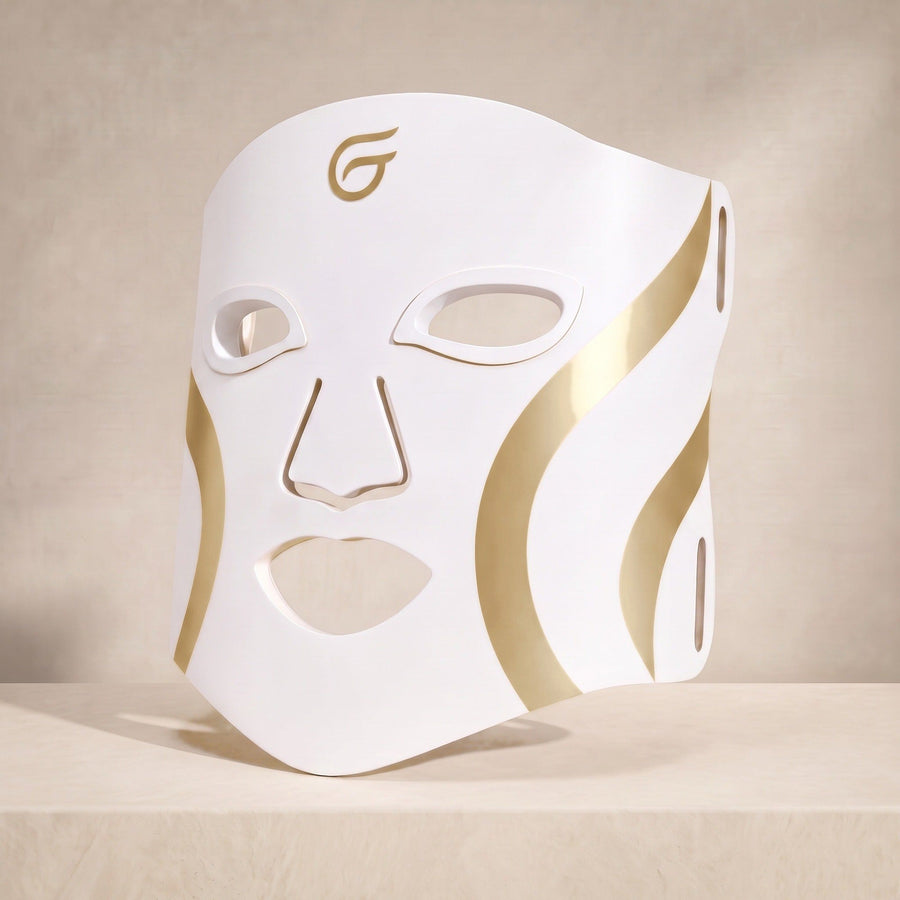
The GlowUp™ LED Light Therapy Face Mask is FDA-cleared and uses red and near-infrared light designed for regular, at-home sessions. So, building the kind of consistent routine that real results depend on doesn't mean booking a clinic appointment every week.
As with any red light device, what you see documented from regular use is a gradual shift rather than an overnight transformation.
Red Light Therapy Results Timeline: What to Expect and When
Results build in stages. Here's a general sense of what that progression tends to look like with consistent use, though your own timeline may run faster or slower.
Weeks 1–2: What You'll Notice First
Early on, expect your skin to feel calmer rather than look dramatically different. Redness may settle a little, and skin can feel more comfortable day to day. The first two weeks are about your skin adjusting to a new routine.
Weeks 3–4: Early Texture Changes
By this point, you may start to notice smoother texture in small areas, like around the cheeks or forehead. It's subtle, and it's easy to miss if you're not taking consistent photos to compare against.
Weeks 6–8: Where You'll Likely See the Biggest Difference
This is typically where changes become easier to see in photos and in the mirror. Finer lines may look softer, tone can appear more even, and skin often looks more rested. If you've been comparing genuine before and afters, this is usually the window they're taken in.
Weeks 12+: Cumulative Results
Your skin keeps rebuilding collagen well past the two-month mark, so results at 12 weeks and beyond tend to reflect the fuller cumulative effect of consistent sessions. This is also where results tend to hold, as long as sessions continue.
What the Research Says About Red Light Therapy Results
The research on red and near-infrared light for skin is genuinely encouraging, though it's also still developing.
A trial involving 136 participants found meaningful increases in collagen density and improvements in roughness over its multi-week treatment course, with the large majority of participants reporting some degree of improvement.
At the same time, dermatologists caution that studies vary in device, dose, and duration, which makes it hard to say precisely how much improvement any one person should expect.
Practically, that means red light therapy is backed by real, peer-reviewed evidence, but it's not a guaranteed or instant fix. It's a tool that tends to help — how much depends on your skin and your consistency.
How to Get the Best Results From Red Light Therapy
A few habits make a real difference in how visible your results end up being:
-
Cleanse first. Start each session on bare, product-free skin so light reaches your skin directly without a layer of moisturizer or SPF in the way.
-
Stick to a regular schedule. Most devices are designed for several sessions a week. Spacing sessions out too far tends to slow progress more than a shorter individual session does.
-
Give it time before judging results. Early weeks are about adjustment, not transformation. Hold off on deciding whether it's "working" until you're past the six-week mark.
-
Track it consistently. Take a photo in the same spot, same lighting, same time of week, so you're comparing like with like instead of relying on memory.
-
Keep the rest of your routine steady. If you change three products and start red light therapy in the same week, you won't know what's actually responsible for any change you see.
At-Home Red Light Therapy vs In-Clinic Treatments
|
At-Home (GlowUp™) |
In-Clinic |
|
|
Intensity |
Gentler, built for regular use |
Stronger, often faster per session |
|
Sessions needed |
More sessions, spread over weeks |
Fewer sessions overall |
|
Cost over time |
Lower ongoing cost |
Appointment and per-visit cost adds up |
|
Schedule |
Fits around your own routine |
Requires appointment scheduling and travel |
|
Best for |
A consistent long-term routine |
Maximum intensity, minimal sessions |
At-home devices like the GlowUp™ LED Light Therapy Face Mask let you build a consistent routine around your own schedule instead of a clinic's, and consistency is the factor that tends to drive results more than raw power alone. In-clinic devices are often more powerful, which can mean faster results in fewer sessions, but they come with appointment scheduling, travel, and per-visit cost that adds up over time.
Neither approach replaces the other; they're really answering different questions. If you want a routine you'll actually stick with, week after week, at-home treatment is often the more realistic path to visible results.
If you want maximum intensity in the shortest number of sessions and don't mind the logistics, in-clinic treatment is worth considering alongside a dermatologist's guidance. Neither path is the wrong one — just the one that fits how you actually live.

A Customer Favorite
GlowUp™: Clinic Tech, Home Routine
Our FDA-cleared mask uses 6 light therapy modes to diminish wrinkles, boost collagen, reduce sun damage, and fight acne, revealing a youthful glow. Powered by 288 diodes, it delivers targeted results with medical-grade LED technology.
Shop GlowUp™ LED Light Therapy Face MaskSo, Is Red Light Therapy Worth It?
If you're after a gradual, low-effort way to support your skin's collagen production, red light therapy tends to help, particularly with fine lines, texture, and overall tone, when it's used consistently over several weeks or months. It's not a substitute for sun protection or a full skincare routine, and it won't erase deep-set wrinkles overnight. But as one piece of a broader routine, it's a well-supported one.
Frequently Asked Questions
How Long Can It Take to See Results From Red Light Therapy?
You'll likely notice early changes, like calmer or more comfortable skin, within two to four weeks. Visible texture and tone improvements tend to build by six to eight weeks, with fuller results developing over 12 weeks or more of consistent use.
Does Red Light Therapy Work on Older Skin?
Red light therapy can be used at any age, and research has included participants across a range of ages showing improvement in fine lines and collagen density. Results still depend on consistency and your skin's starting point, so expectations should stay realistic regardless of age.
Are Red Light Therapy Results Permanent?
Results tend to hold as long as sessions continue, since ongoing use supports ongoing collagen production. Stopping sessions altogether typically means the effect gradually fades, similar to pausing any other part of a skincare routine.
Results Come From Consistency, Not Intensity
The most reliable before and after isn't the most dramatic one. It's the one that reflects a realistic timeline and a routine that didn't get abandoned after two weeks. Red light therapy works with your skin's own processes, and those processes take time, which means your results will show up gradually rather than all at once.
If you're ready to build that kind of routine, the GlowUp™ LED Light Therapy Face Mask gives you an FDA-cleared, at-home way to stay consistent, session after session, without working your skincare around a clinic's calendar.