LED Mask Colors Explained: What Each Light Does for Your Skin

Are you shopping for an LED mask and confused by all the different colors lighting up the box? Or maybe you already own one and have been clicking through the settings without really knowing what each one does.
Every color is a different wavelength, and each wavelength reaches your skin differently and triggers a different response. Many masks bring several colors together, so you can shape each session around what your skin needs.
Key Takeaways
-
Red light helps support your skin’s own collagen and elastin, so fine lines can soften and skin can look firmer over time.
-
Blue light targets the bacteria behind active breakouts, so new blemishes have less chance to take hold.
-
Near-infrared light reaches deeper than red, supporting repair below the surface you can see.
-
Amber light calms visible redness and sensitivity for a more even-looking tone.
-
Multi-mode masks can combine colors in one session, so you can care for more than one concern at a time.
How LED Light Therapy Works on Your Skin
Your skin absorbs light differently depending on its wavelength. Shorter wavelengths, like blue, stay closer to the surface. Longer wavelengths, like red and near-infrared, travel deeper into your skin's lower layers. That difference in depth decides which cells the light reaches, and it’s why each color suits a different concern.
Once absorbed, light energy is thought to kick-start activity inside skin cells that drives collagen production and repair.
Research into light-based skin treatments suggests each color can trigger a different response in your skin. Some help support collagen for a firmer look, while others help calm the bacteria behind breakouts. That's the science behind the color chart below. It's also why the color you choose should match the result you're hoping to see.
None of this happens in a single session. Skin cells respond to light gradually, the same way they respond to most skincare ingredients: a little at a time, with the effect building over weeks rather than days. That's why consistency is where your results come from. Short, regular sessions give your skin the steady exposure it responds to, and the glow builds from there.
LED Mask Color Chart: Wavelength and Benefit at a Glance
Every color on your LED mask has its own wavelength, and that’s what decides how deep the light reaches and what it can do for your skin once it gets there.
Here’s your quick guide to all four:
|
Light Color |
Wavelength Range |
What It Does for You |
Best For |
|
Blue |
415–465nm |
Targets the bacteria behind breakouts |
Active breakouts, oily areas |
|
Amber |
Around 605nm |
Helps calm redness for a more even tone |
Reactive or easily flushed skin |
|
Red |
630–635nm |
Supports your skin’s own collagen and elastin |
Fine lines, dullness, firmness |
|
Near-Infrared |
Around 850nm |
Reaches deeper layers to support repair |
Deeper renewal, circulation |
Wavelengths can vary a little from device to device, so an acne wand and a multi-mode mask may list a slightly different figure for the same color.
What Each LED Mask Color Does for Your Skin
Red Light for Fine Lines and Collagen
Red light works below the surface, where it’s thought to help your skin keep up its own collagen and elastin (the support behind a smoother, firmer look).
You won't see an overnight transformation. But what you may notice, with consistent use over several weeks, is skin that looks a little more resilient and a little more rested.
Near-Infrared Light for Deeper Repair
Near-infrared sits just past red on the light spectrum, and it travels even further into the skin. That extra depth means it’s thought to support repair in layers your skincare products don’t easily reach. It’s often paired with red light, since the two wavelengths tend to work harmoniously.
Blue Light for Breakouts and Oil Control
Blue light works near the surface, where it’s thought to help disrupt the bacteria connected to active acne. It’s a gentle, hands-off step you can add to your evening routine, and with consistent use, you may notice fewer new blemishes taking hold.
When it comes to LED light for acne, blue is at its best on new and recurring spots, while red light can help calm the redness and marks a breakout leaves behind.
Amber Light for Redness and Sensitivity
Amber light sits between blue and red light on the spectrum. If your skin flushes easily or reacts to products that work fine for everyone else, amber is generally the one worth starting with. It's aimed at calming visible redness and supporting a more even tone, so your skin can look and feel more settled.
Which LED Color Should You Start With?
Start with whatever your skin is asking for most right now. Choosing one clear focus and giving it a few consistent weeks lets you see your skin respond, and that progress is what makes the habit feel worth keeping.
-
Breakouts that keep coming back: start with blue for clearer-looking skin.
-
Fine lines or softening firmness: start with red, or red plus near-infrared, for a smoother, more lifted look over time.
-
Redness or skin that reacts easily: start with amber, which is designed to calm sensitive skin.
-
A little of everything: look for a combined setting, such as blue plus red plus near-infrared, so one session works on clarity and firmness together.
No color “outranks” the others. The right one is whichever fits your skin today, and you can change it whenever your skin does. When breakouts settle and you’re ready to focus on your glow, you can switch settings.
Can You Combine LED Colors in One Session?
Yes, and for a lot of routines, combining colors is a brilliant way to care for more than one concern at once. The key is using a device with a combined setting built in, so the colors work together in a single session.
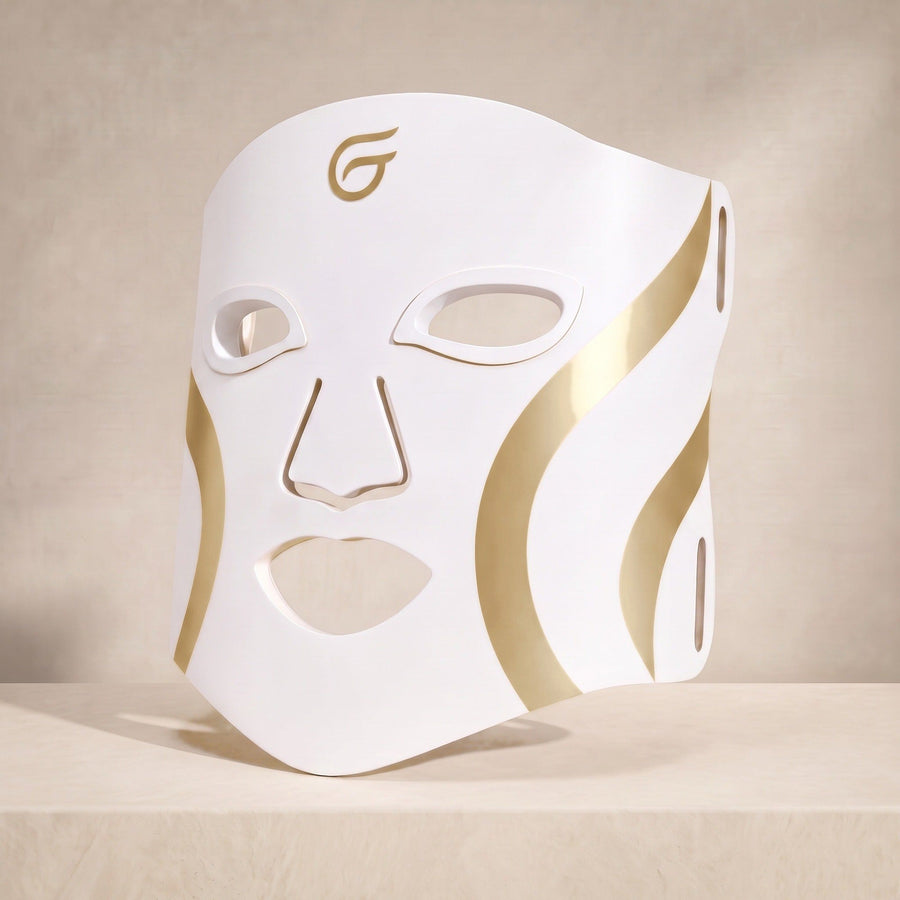
If you’re managing a breakout and want to bring back some glow at the same time, the blue, red, and near-infrared mode on the GlowUp™ LED Light Therapy Face Mask lets you do exactly that. One 10-minute session works on clearer-looking and firmer-looking skin together, and with 6 light modes to choose from, your settings can shift as your skin does.

A Customer Favorite
GlowUp™: Clinic Tech, Home Routine
Our FDA-cleared mask uses 6 light therapy modes to diminish wrinkles, boost collagen, reduce sun damage, and fight acne, revealing a youthful glow. Powered by 288 diodes, it delivers targeted results with medical-grade LED technology.
Shop GlowUp™ LED Light Therapy Face MaskBuilding LED Light Therapy Into Your Skincare Routine
LED therapy works best as a habit you come back to. A few simple steps help it fit naturally into your routine:
-
Start with a clean and completely dry face. If you’d like a little extra hydration, a light hyaluronic acid serum beforehand is optional.
-
Use it consistently. Many routines begin with five to seven sessions a week, then ease into a maintenance rhythm once you’re happy with how your skin looks.
-
Finish with your favorite serum and moisturizer. A peptide serum after your session, followed by your usual moisturizer or SPF, rounds out the routine.
-
Keep sessions short and regular. A few minutes most days gives your skin the steady treatment it responds to best.
It's a small routine addition. You’ll likely find that once the mask becomes part of an existing habit, like winding down in the evening, it stops feeling like one more task and starts feeling like the easiest step in the whole routine.
Frequently Asked Questions
Which LED Light Color Is Best for Acne?
Blue light is generally considered the best option for active breakouts. It targets the bacteria associated with acne at the skin's surface, which can help reduce new blemishes over time when used consistently alongside your regular skincare.
Which LED Light Color Tightens Skin?
Red and near-infrared light are typically associated with firmer-looking skin. Both are thought to support collagen and elastin production, which tends to improve your skin's structure and resilience gradually rather than immediately.
How Many Times a Week Should You Do Red and Blue Light Therapy?
Frequency varies by device and goal — many routines start with five to seven sessions a week for the first several weeks, then taper to two to four times a week for maintenance once results are visible. Always follow your specific device's guidance.
Knowing Your LED Colors Turns a Mask Into a Targeted Skincare Tool
Once you know what each color actually does, an LED mask stops being a guessing game and starts being a tool you can point at whatever your skin needs that week. Breakouts, fine lines, redness, deeper repair: each one has a wavelength built for it, and you get to decide which combination fits your routine right now. The GlowUp™ LED Light Therapy Face Mask brings all four colors together in one device, so your routine can grow with your skin.